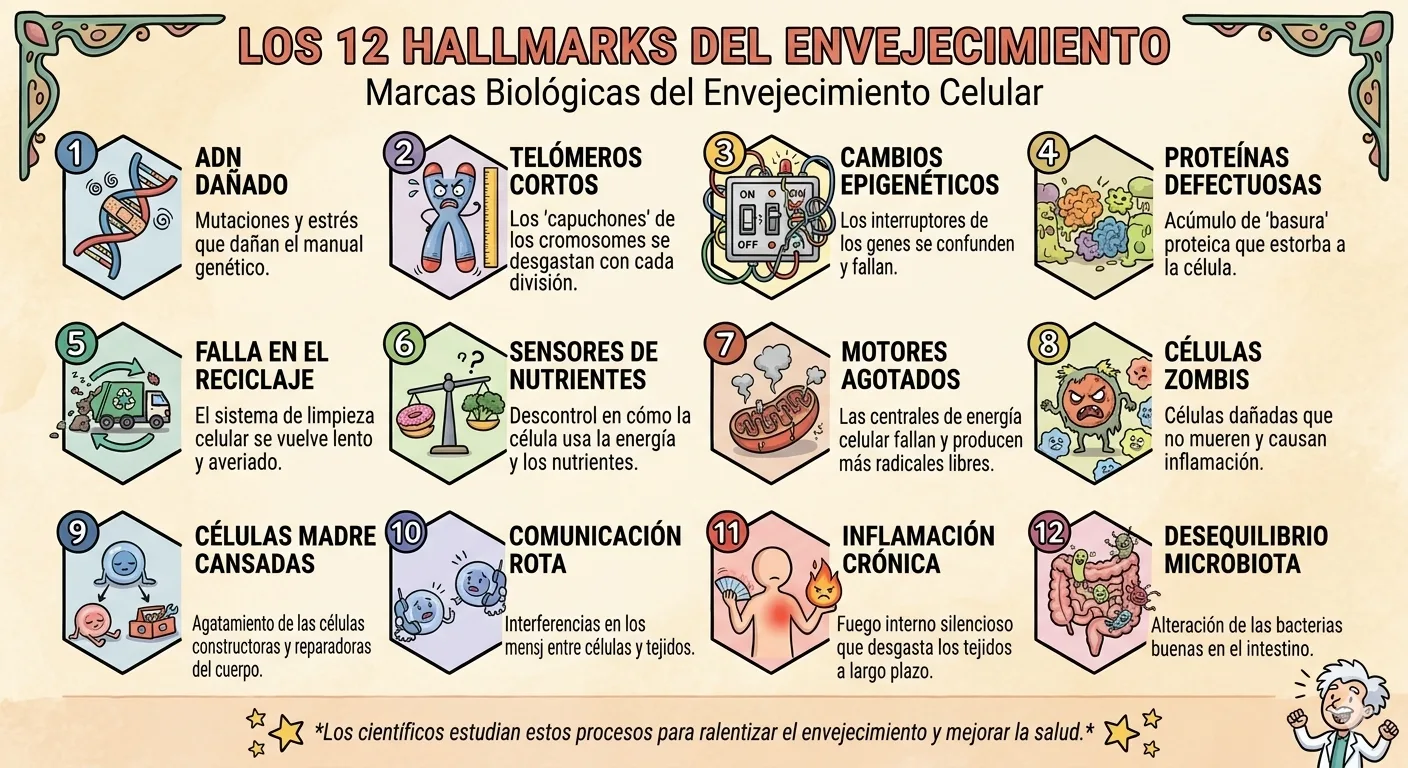
¿Qué son los “hallmarks” del envejecimiento?
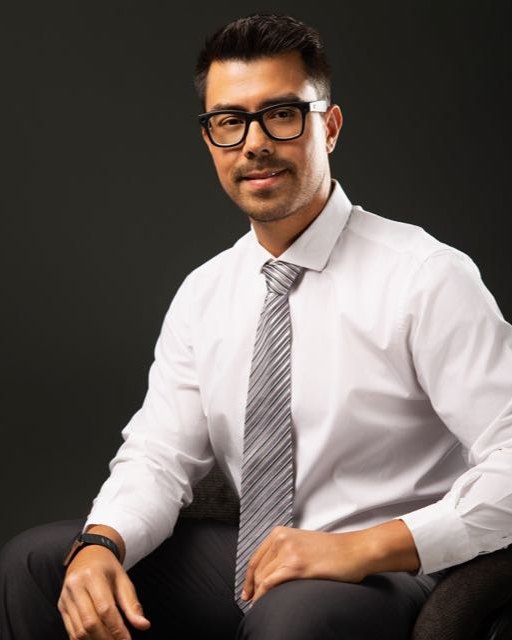 Pablo NúñezOctober 3, 2026
Photobiomodulation (PBM) therapy is a procedure that uses specific light sources to interact positively with the body’s biological processes. Through the application of therapeutic light, this method acts directly on the cells.
Pablo NúñezFunctional and Preventive Medicine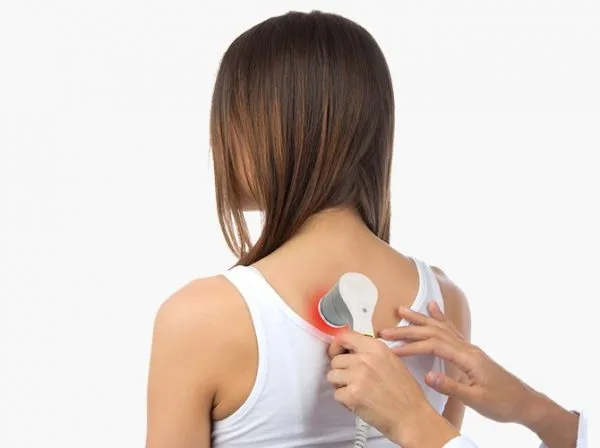
🌟 Key Benefits of the Therapy
• Pain management: Helps reduce physical discomfort in specific areas.
• Anti-inflammatory effect: Assists in reducing swelling and stiffness.
• Support for the recovery process: Promotes natural tissue conditions that favor positive healing.
• Comfortable procedure: Generates no heat, is painless, and allows for an immediate return to daily activities.
🧬 How does it work in the body? (Biological mechanism)
When tissues experience alterations or dysfunction, cellular performance declines. PBM (photobiomodulation) therapy emits precise wavelengths (via laser and LED) that interact with cellular structures through three main mechanisms:
1. Stimulation of cellular metabolism
The light interacts with the mitochondria (the cell’s energy center), promoting an increase in the production of ATP (the cell’s energy molecule). By optimizing this energy, cells improve their ability to carry out their everyday biological functions.
2. Support for local microcirculation
The application promotes the release of nitric oxide, a natural compound that helps open peripheral blood vessels. This ensures a steady flow of essential oxygen and nutrients to the targeted area.
3. Biological modulation of tissues
Light energy positively influences the signaling pathways that control inflammatory responses. It also stimulates the structural components of the extracellular matrix, helping to maintain the integrity and vitality of the tissue.
🎯 Common Applications
This technology is frequently used as an adjunct for:
• Managing chronic muscle and joint discomfort.
• Providing care and support for sports injuries or sprains.
• Assisting with muscle tightness in the back, neck, or lumbar region.
• Supporting the physical rehabilitation process.
Functional medicine and Cardiovascular anesthesiologist trained at the National Institute of Cardiology "Dr. Ignacio Chávez" in Mexico City. He brings the rigor of open-heart surgery to functional, metabolic, and longevity medicine.
This article is for information only and does not replace a medical consultation.
Pablo NúñezOctober 3, 2026 Pablo NúñezSeptember 27, 2026